
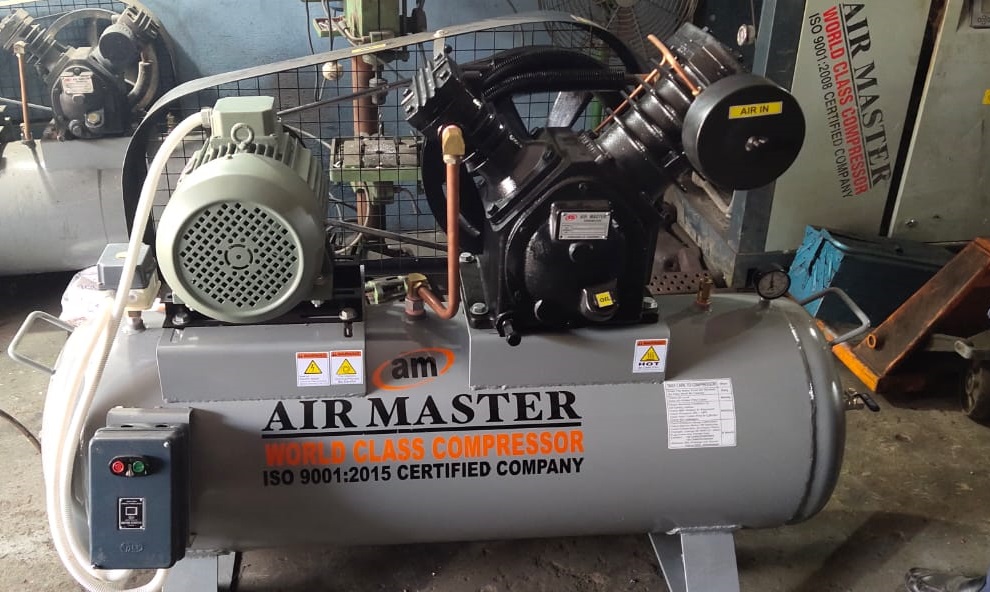
In industrial environments, maintaining consistent compressed air pressure is essential for efficient operations. However, pressure drops are a common issue that can reduce productivity, increase energy costs, and affect equipment performance.
While many factors contribute to this problem, proper system design and expert guidance often from an experienced air compressor manufacturer can prevent most issues early on.
What Is Pressure Drop in an Air Compressor System?
Pressure drop refers to the loss of air pressure as compressed air moves from the compressor to the point of use.
In a well-optimized setup, most air compressor manufacturers recommend keeping pressure drop within 5–10%. Higher losses usually indicate inefficiencies within the system.
Key Reasons for Pressure Drop in Industrial Systems
1. Air Leaks in the Network
Common leak points:
- Pipe joints
- Valves and fittings
- Flexible hoses
- Quick couplings
Impact:
- Continuous pressure loss
- Increased compressor runtime
- Higher electricity costs
2. Improper Piping Design
| Issue | Effect on System |
|---|---|
| Undersized pipes | Restricts airflow |
| Too many bends | Creates resistance |
| Long pipe runs | Reduces pressure at endpoint |
A reliable air compressor manufacturer ensures proper pipe sizing and layout during installation.
3. Clogged Filters and Dryers
Symptoms:
- Sudden pressure drop
- Reduced airflow
- Increased energy consumption
Regular cleaning or replacement of filters helps maintain system efficiency.
4. Fluctuating Air Demand
When it happens:
- Multiple machines start simultaneously
- Peak production shifts
Solution:
- Install air receivers
- Balance load distribution
Top air compressor manufacturers recommend proper demand management to stabilize pressure.
5. Poor Maintenance Practices
| Maintenance Issue | Result |
|---|---|
| Dirty filters | Air restriction |
| Worn components | Efficiency loss |
| Ignored leaks | Continuous pressure drop |
Real-World Example
A mid-sized manufacturing unit experienced a pressure drop of nearly 20% across its compressed air system.
Issues identified:
- Multiple undetected air leaks
- Incorrect pipe sizing
- Blocked filters
Actions taken:
- Leak detection and repair
- Pipeline redesign
- Filter replacement
Outcome:
- Pressure drop reduced to 8%
- Noticeable reduction in energy consumption
- Improved equipment efficiency
Why Choosing the Right Partner Matters
Many pressure-related issues originate from poor system planning rather than equipment failure.
Working with the right partner ensures:
- Proper system design
- Efficient airflow distribution
- Long-term operational reliability
To explore complete compressed air solutions, visit
Air Compressor Manufacturer Homepage
(Replace with your actual homepage link)
How to Reduce Pressure Drops
- Fix air leaks promptly
- Use properly sized pipelines
- Minimize bends in piping systems
- Maintain filters and dryers regularly
- Install air receivers for demand balancing
- Monitor system pressure at multiple points
Pressure Drop Causes vs Solutions
| Cause | Solution |
|---|---|
| Air leaks | Regular leak audits |
| Poor piping | Optimize layout |
| Dirty filters | Routine cleaning or replacement |
| High demand spikes | Use air receivers |
| Lack of maintenance | Scheduled servicing |
FAQs
What is an acceptable pressure drop in an air compressor system?
Most systems should maintain a pressure drop of 5–10%. Anything higher indicates inefficiency.
How can I detect pressure drops in my system?
You can measure pressure at different points in the system, use monitoring tools, or perform leak detection tests.
Do air leaks significantly increase costs?
Yes, even small leaks can increase energy consumption by up to 20–30% over time.
Does pipe size affect air pressure?
Yes, undersized pipes restrict airflow and are a major cause of pressure drops.
How often should maintenance be performed?
Routine checks should be done monthly, with detailed servicing every 3–6 months depending on usage.
Conclusion
Pressure drops in industrial compressed air systems can lead to major inefficiencies if not addressed properly. Identifying causes such as leaks, poor piping, and lack of maintenance helps improve overall system performance.
In many cases, working with experienced air compressor manufacturers ensures your system operates efficiently, reduces energy costs, and delivers consistent performance over time.

