
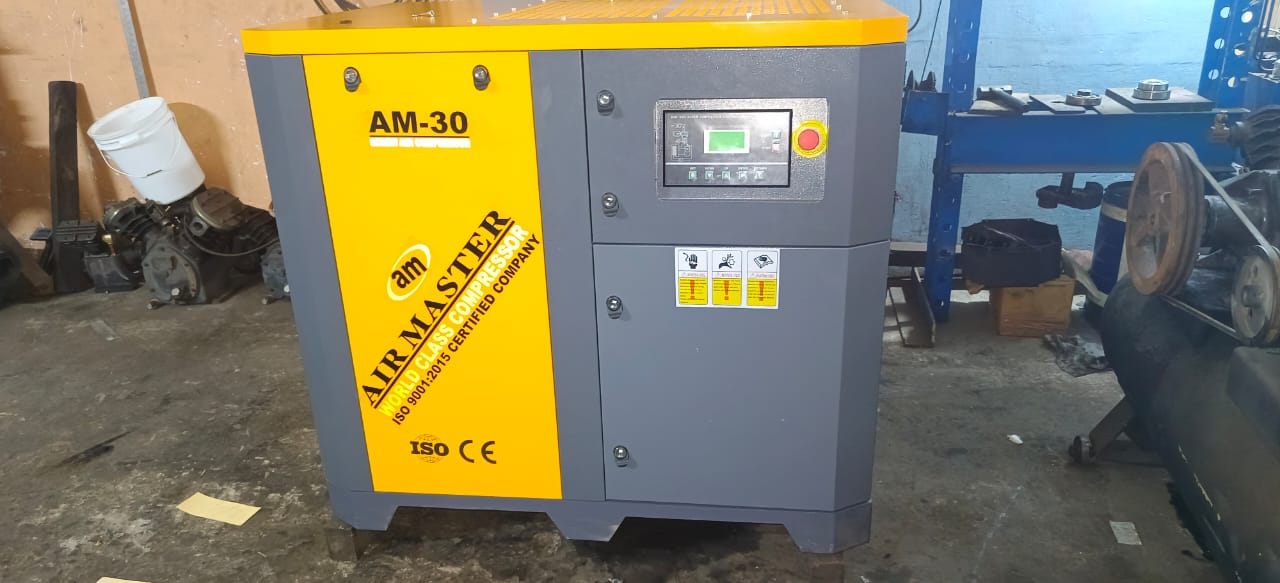
Air compressor pressure fluctuation is a common issue in industrial systems that can affect machine performance, product quality, and overall efficiency. Inconsistent pressure leads to unstable operations and increased energy consumption.
By identifying the causes and applying the right fixes, often with support from an experienced air compressor manufacturer, you can stabilize pressure and improve system reliability.
What Is Pressure Fluctuation in Air Compressors?
Pressure fluctuation occurs when the compressed air system fails to maintain a steady pressure level and continuously rises and falls during operation.
Most air compressor manufacturers design systems to deliver consistent pressure within a defined range. Frequent variation indicates imbalance in supply, demand, or system design.
Common Reasons for Pressure Fluctuation
1. Sudden Changes in Air Demand
When it happens:
- Multiple machines start at the same time
- Irregular production cycles
Impact:
- Pressure drops and spikes
- Unstable airflow
Fix:
- Install air receivers, storage tanks
- Balance air demand across operations
2. Improper Compressor Sizing
| Issue | Effect |
|---|---|
| Undersized compressor | Cannot meet demand |
| Oversized compressor | Frequent cycling |
Fix:
- Select the correct compressor capacity
- Match system demand with compressor output
3. Faulty Pressure Switch or Controls
Problem:
Incorrect settings or malfunctioning controls cause irregular compressor operation.
Symptoms:
- Frequent start and stop cycles
- Inconsistent pressure levels
Fix:
- Adjust pressure settings
- Replace faulty switches or controllers
4. Air Leaks in the System
Impact:
- Continuous pressure variation
- Increased compressor workload
Fix:
- Conduct regular leak detection
- Repair leaks immediately
5. Clogged Filters or Dryers
Problem:
Restricted airflow creates pressure instability.
Fix:
- Clean or replace filters
- Maintain dryers regularly
6. Inadequate Air Storage
Problem:
Lack of sufficient air storage causes rapid pressure changes.
Fix:
- Install properly sized air receivers
- Add additional storage near high demand points
Top air compressor manufacturers recommend proper storage capacity to stabilize pressure.
Step by Step Fix for Pressure Fluctuation
- Monitor pressure levels over time
- Identify patterns of fluctuation
- Check for air leaks across the system
- Inspect filters, dryers, and valves
- Evaluate compressor capacity and controls
- Install air receivers if needed
- Optimize system design and layout
Real World Example
A production facility experienced frequent pressure fluctuations, affecting machine output.
Issues found:
- Sudden high air demand
- Lack of storage capacity
- Dirty filters
Actions taken:
- Installed additional air receivers
- Cleaned and replaced filters
- Balanced air usage
Results:
- Stable pressure levels
- Improved production consistency
- Reduced energy consumption
Causes vs Fixes Overview
| Cause | Fix |
|---|---|
| Demand fluctuations | Install air receivers |
| Wrong compressor size | Correct sizing |
| Faulty controls | Adjust or replace |
| Air leaks | Repair leaks |
| Dirty filters | Regular maintenance |
Best Practices to Prevent Pressure Fluctuation
- Monitor system pressure continuously
- Maintain filters and dryers
- Fix leaks promptly
- Use proper compressor sizing
- Install adequate air storage
Working with reliable air compressor manufacturers ensures better system design and long term stability.
FAQs
Why does my air compressor pressure keep fluctuating?
This usually happens due to changing air demand, insufficient storage, or system inefficiencies.
Can air leaks cause pressure fluctuation?
Yes, leaks create inconsistent pressure and increase compressor workload.
How do air receivers help?
They store compressed air and reduce sudden pressure changes.
Is compressor size important?
Yes, incorrect sizing leads to unstable pressure and inefficiency.
How often should the system be checked?
Regular monthly checks and detailed servicing every 3 to 6 months are recommended.
Conclusion
Air compressor pressure fluctuation can disrupt industrial operations and reduce efficiency. Identifying causes such as demand variation, leaks, and poor system design helps stabilize performance.
In many cases, support from an experienced air compressor manufacturer ensures consistent pressure, improved efficiency, and long term reliability.

