
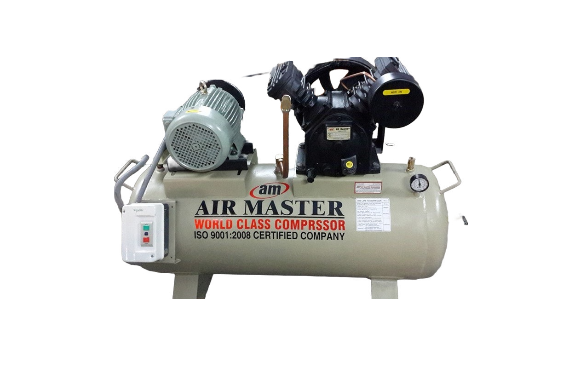
Pressure loss in compressed air lines is a common issue in industrial systems that leads to reduced efficiency, higher energy costs, and poor equipment performance. Even a small pressure drop can significantly impact productivity.
By identifying the root causes and applying the right fixes, often with guidance from an experienced air compressor manufacturer, you can restore system efficiency and reduce operational losses.
What Causes Pressure Loss in Compressed Air Lines?
Pressure loss occurs when compressed air faces resistance or leakage as it travels through the distribution system.
Most air compressor manufacturers recommend maintaining pressure drop within 5 to 10 percent. Anything higher indicates system inefficiency.
Common Causes and How to Fix Them
1. Air Leaks
Problem:
Leaks are the most common cause of pressure loss and often go unnoticed.
Where they occur:
- Pipe joints
- Hose connections
- Valves and fittings
Fix:
- Perform regular leak detection audits
- Use ultrasonic leak detectors
- Repair or replace faulty components immediately
2. Undersized or Poorly Designed Piping
| Issue | Effect |
|---|---|
| Small pipe diameter | Restricts airflow |
| Excessive bends | Creates turbulence |
| Long pipe runs | Reduces end pressure |
Fix:
- Use correctly sized pipes
- Minimize bends and sharp turns
- Optimize piping layout for smooth airflow
3. Clogged Filters and Dryers
Problem:
Dirty filters restrict airflow, increasing pressure loss.
Fix:
- Clean or replace filters regularly
- Install high quality filtration systems
- Monitor pressure before and after filters
4. High Air Demand Fluctuations
Problem:
Sudden demand spikes reduce available pressure.
Fix:
- Install air receivers, storage tanks
- Balance air demand across shifts
- Use variable speed compressors if needed
Top air compressor manufacturers recommend demand side management to stabilize pressure.
5. Moisture and Contamination in Lines
Problem:
Water and contaminants increase resistance and damage components.
Fix:
- Install proper air dryers
- Use moisture separators
- Regularly drain condensate
6. Poor Maintenance Practices
| Maintenance Issue | Result |
|---|---|
| Dirty filters | Airflow restriction |
| Ignored leaks | Continuous pressure loss |
| Worn components | Reduced efficiency |
Fix:
- Follow a preventive maintenance schedule
- Inspect system components regularly
- Replace worn out parts on time
Step by Step Approach to Fix Pressure Loss
- Measure pressure at multiple points in the system
- Identify areas with the highest pressure drop
- Check for visible and hidden air leaks
- Inspect filters, dryers, and separators
- Evaluate piping design and layout
- Implement corrective actions and monitor performance
Real World Example
An industrial facility experienced a pressure loss of nearly 18 percent, affecting machine performance.
Issues found:
- Multiple air leaks
- Undersized piping
- Blocked filters
Actions taken:
- Leak repairs
- Pipe replacement with proper sizing
- Filter maintenance
Results:
- Pressure loss reduced to 7 percent
- Improved airflow efficiency
- Lower energy consumption
Pressure Loss Causes vs Fixes
| Cause | Fix |
|---|---|
| Air leaks | Leak detection and repair |
| Poor piping design | Optimize layout |
| Dirty filters | Regular cleaning or replacement |
| Demand spikes | Install air receivers |
| Moisture in system | Use dryers and separators |
Best Practices to Prevent Pressure Loss
- Conduct routine leak audits
- Use properly sized and high quality piping
- Maintain filters and dryers consistently
- Monitor system pressure regularly
- Design systems based on actual demand
Working with reliable air compressor manufacturers ensures better planning, installation, and long term efficiency.
FAQs
What is an acceptable pressure loss in compressed air lines?
Ideally, pressure loss should be within 5 to 10 percent of total system pressure.
How do I detect pressure loss in my system?
Measure pressure at different points and compare readings to identify drops.
Do air leaks really impact energy costs?
Yes, leaks can increase energy consumption by up to 20 to 30 percent.
Can pipe design affect pressure loss?
Yes, poorly designed piping is a major cause of pressure drops.
How often should I check my system?
Basic checks should be done monthly, with detailed inspections every 3 to 6 months.
Conclusion
Fixing pressure loss in compressed air lines is essential for maintaining efficiency and reducing operational costs. By addressing issues like leaks, poor piping, and inadequate maintenance, industries can significantly improve performance.
In many cases, expert support from an experienced air compressor manufacturer helps ensure long term reliability and optimal system performance.

