
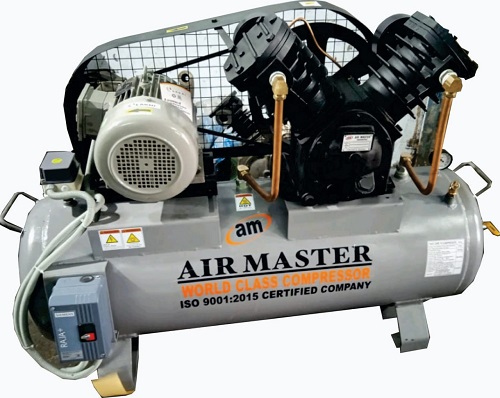
Low air pressure in a factory can slow down production, reduce equipment efficiency, and increase operational costs. It is one of the most common issues in industrial compressed air systems and often goes unnoticed until performance drops significantly.
By following a structured troubleshooting approach and consulting an experienced air compressor manufacturers, you can quickly identify the root cause and restore optimal pressure levels.
What Is Considered Low Air Pressure?
Low air pressure occurs when the compressed air system fails to deliver the required pressure to machines or tools at the point of use.
Most air compressor manufacturers recommend maintaining system pressure within the designed range, typically with minimal drop across the distribution network. Any significant deviation indicates inefficiency or system faults.
Common Causes of Low Air Pressure in Factories
1. Air Leaks in the System
Where leaks occur:
- Pipe joints
- Hose connections
- Valves and fittings
Impact:
- Continuous pressure loss
- Increased compressor runtime
- Higher electricity consumption
Solution:
- Perform regular leak inspections
- Repair leaks immediately
- Replace damaged components
2. Undersized or Inefficient Piping
| Issue | Effect |
|---|---|
| Small pipe size | Restricts airflow |
| Too many bends | Creates resistance |
| Long pipe runs | Reduces pressure at endpoints |
Solution:
- Upgrade to properly sized pipes
- Reduce unnecessary bends
- Optimize pipeline layout
3. Clogged Filters and Dryers
Symptoms:
- Reduced airflow
- Pressure drop across filters
- Increased energy usage
Solution:
- Clean or replace filters regularly
- Monitor pressure before and after filtration units
4. High Air Demand
When it happens:
- Multiple machines operate simultaneously
- Peak production hours
Solution:
- Install air receivers, storage tanks
- Balance air usage across operations
- Use demand control systems
Top air compressor manufacturers recommend demand management to maintain stable pressure.
5. Compressor Performance Issues
| Problem | Result |
|---|---|
| Worn internal parts | Reduced compression efficiency |
| Faulty valves | Pressure loss |
| Overheating | Reduced output |
Solution:
- Inspect internal components
- Replace worn parts
- Ensure proper cooling and ventilation
6. Pressure Drop Across Long Distances
Problem:
Air loses pressure as it travels through long pipelines.
Solution:
- Use looped piping systems
- Install additional receivers near usage points
- Reduce distance where possible
Step by Step Troubleshooting Guide
- Measure pressure at compressor output and at usage points
- Compare readings to identify pressure drop areas
- Inspect the entire system for air leaks
- Check filters, dryers, and separators
- Evaluate piping size and layout
- Review compressor performance and capacity
- Implement fixes and monitor system improvement
Real World Example
A factory faced consistent low pressure issues affecting multiple machines.
Problems identified:
- Significant air leaks
- Undersized piping network
- Dirty filters
Actions taken:
- Leak repair across system
- Pipeline upgrade
- Filter replacement
Results:
- Pressure restored to required levels
- Improved machine performance
- Reduced energy costs
Causes vs Solutions Overview
| Cause | Solution |
|---|---|
| Air leaks | Leak detection and repair |
| Poor piping | System redesign |
| Dirty filters | Routine maintenance |
| High demand | Install air receivers |
| Compressor issues | Service or upgrade |
Best Practices to Maintain Proper Pressure
- Conduct regular system audits
- Maintain filters and dryers
- Use correct pipe sizing
- Monitor pressure continuously
- Schedule preventive maintenance
Working with reliable air compressor manufacturers ensures better system design and long term efficiency.
FAQs
What causes low air pressure in factories?
Common causes include air leaks, poor piping design, clogged filters, and high demand.
How can I quickly identify pressure loss?
Measure pressure at different points and compare readings across the system.
Do air leaks really matter?
Yes, even small leaks can significantly reduce pressure and increase energy costs.
Can upgrading pipes improve pressure?
Yes, proper pipe sizing and layout greatly improve airflow and pressure stability.
How often should systems be checked?
Basic inspections should be monthly, with detailed maintenance every 3 to 6 months.
Conclusion
Low air pressure in factories can impact productivity and increase costs if not addressed quickly. Identifying issues such as leaks, poor piping, and maintenance gaps helps restore system efficiency.
In many cases, guidance from an experienced air compressor manufacturer ensures reliable performance, reduced energy consumption, and long term operational stability.

